Guides
Part of Independent paper makers, explained by collections: no watchlist needed here
Independent paper makers setup: drying is the constraint
An independent paper makers setup depends on drying capacity. Compare rack, restraint, and stack drying, their equipment needs, and humidity monitoring.
What to take away
- In a small independent paper makers setup, drying capacity—not the vat—sets the batch size.
- For planning, reserve space for forty wet sheets across a three-day drying window; actual time depends on method, thickness and humidity.
- Water on the floor and pulp down the drain are the two problems a small space makes worse.
- Measure the humidity in the drying area, because that is what decides drying time and flatness.
- Clutter and food waste are what turn a damp corner into a pest problem.
Plan the drying area first
Everything else can be moved or improvised. Drying cannot be hurried; it needs dedicated space for the method you choose. Racks need open shelf area, restraint drying needs room for boards, and stack drying needs a press and dry interleaves. A cupboard is not a substitute for a ventilated drying area.
Drying methods compared
Flat under restraint
- Space used
- Shelf area
- Sheet result
- Flat sheets
- Time taken
- Moderate
Loft or line
- Space used
- Wall or ceiling
- Sheet result
- Cockled sheets
- Time taken
- Moderate
Felts and boards
- Space used
- Shelf area
- Sheet result
- Flattest result
- Time taken
- Longest
Decide which you will use, measure the space it needs, and only then size the mold.
Choose a drying method
The methods below differ in footprint, handling and finish. Try a small batch in your room and record its drying time; actual duration varies with sheet thickness and humidity, so do not assign a fixed schedule without testing.
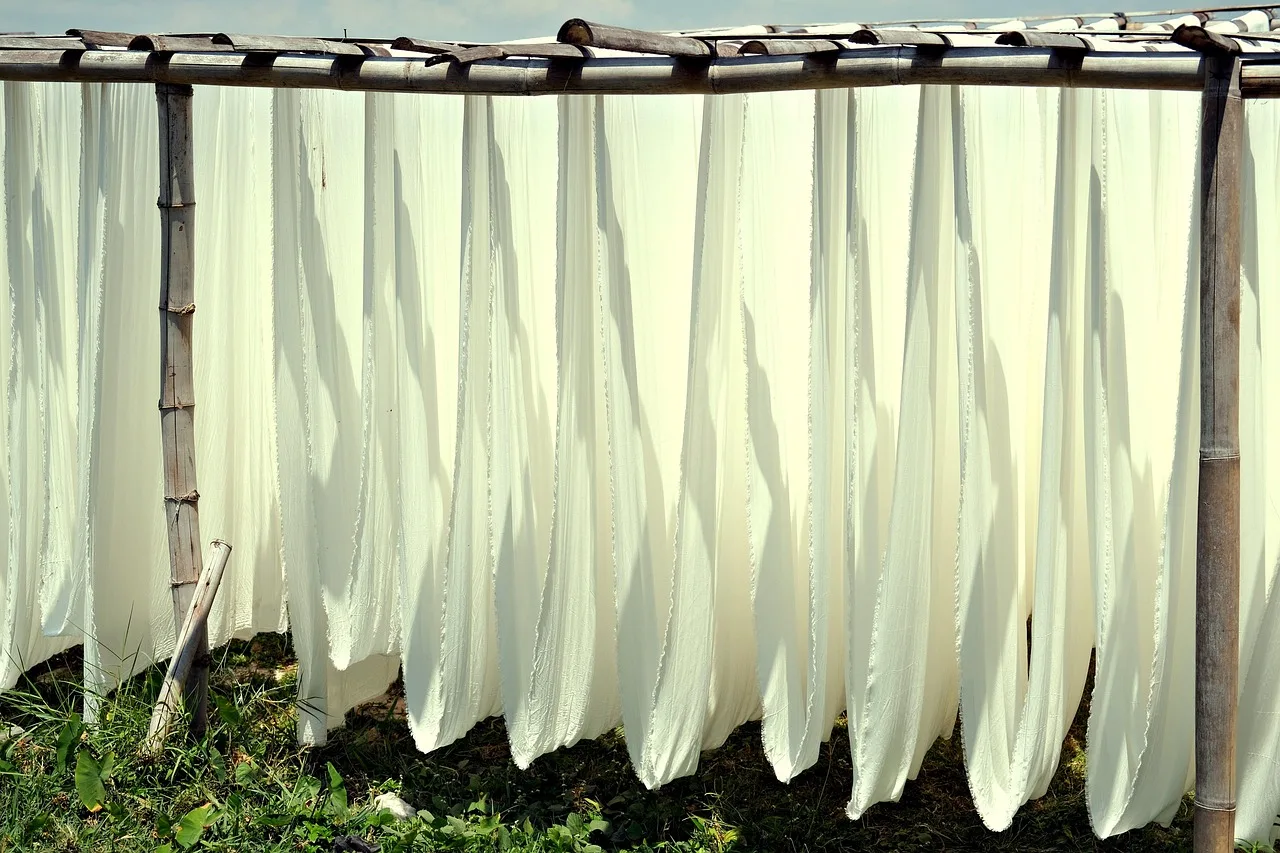
- Rack or air drying:Place sheets separately on open mesh drying racks or shelves to allow airflow. Sheets are free to shrink and may curl.
- Restraint drying:Secure sheet edges to smooth drying boards with tape or paste suitable for paper, and leave them in place until dry. This takes board space; restraint drying is slowest and gives the flattest sheets.
- Stack drying:Interleave sheets with absorbent felts or blotters, then put the stack under a press or weight. Replace damp interleaves with dry ones. This needs spare interleaves and pressing space, but less open rack area.
Water discipline
A vat holds a lot of water and it will end up somewhere. Work over a tray, keep a bucket for waste, and never pour pulp down a household drain, because fiber settles in the trap and sets.
Strain waste pulp through a mesh into a bucket, keep the fiber for casting or overbeating, and pour only the clear water away. This is a ten-second habit that prevents an expensive plumbing problem.
Measure the drying environment
Drying time and final flatness both follow from the humidity around the sheets, and a corner of a home can be far from what you assume.
The Park Service comparison of temperature and relative humidity dataloggers describes battery-powered units with sensors and a microprocessor. They record temperature, relative humidity, light and voltage, usually paired with software for setting parameters and downloading data. It also compares stand-alone loggers against networked systems.
You do not need a networked system. A single cheap logger left in the drying area for a fortnight tells you whether the space swings, which is what causes sheets to cockle after they looked flat. Place it near sheet height and note the readings alongside a test batch to judge whether the location is stable. There is no single relative-humidity target that fits every sheet and drying method; if readings swing, move the setup to a steadier, ventilated spot rather than chasing an unsupported number.
Keep the space uncluttered
Damp plus clutter is the standard recipe for an infestation, and a small room concentrates both. Park Service guidance on monitoring insect pests with sticky traps states the goal as detection, identification and eradication before pests become established.
It draws a distinction worth knowing. Insects that eat collection material are museum pests; regionally common insects that only shelter indoors are nuisance pests. They eat nothing, but their presence attracts the ones that do and usually signals dampness or unsealed entry points.
In a spare room that means no food, no cardboard stacks left on the floor, and stored fiber in sealed containers rather than open sacks.
A layout that fits one room
- Vat on a shimmed, drained support at hip height, near the water supply.
- Couching bench immediately beside it, slightly lower.
- Press or weight station within reach of the couching bench.
- Drying shelves on the opposite side, away from splashes.
- Dry storage highest and furthest from the water.
The equivalent layout for decorating work is in a small-space setup for decorative paper, and the surface requirements for each zone are in work surfaces for papermaking.