Industry
Independent paper makers, explained by collections: no watchlist needed here
Independent paper makers in 2027 are showcased through their collections, covering what each mill makes and how their sheets reach studios and shops.
What to take away
- The independent paper makers below are named because their work is documented and their sheets are sold.
- Judge a sheet by formation held to light, deckle edge, wire side against felt side, and how flat it dried.
- Buy a sample pack before a full sheet.
- Museum and teaching collections calibrate your eye faster than any supplier page.
Independent paper makers and the collections that explain them
No watchlist is needed here. Every maker below is tied to something you can check: a book in print, a museum holding, a teaching archive, or a studio that sells by the sheet.
Why these ten and not others? Three tests decide the list: new teaching or new work, a recent or announced edition, and a route for a buyer to order a sheet. The 2027 in the title marks the year of that check, not a forecast.
Caitlin ffrench works in Vancouver and in the Kootenays, making paper from local plant fiber. She teaches through CBBAG, the Canadian Bookbinders and Book Artists Guild, and through regional guilds. Buy at her workshops and guild events rather than a shop; a pack is made up from the fiber in season, so ask what it holds.
Tara Cooper runs Arbour Paper in Ontario, making cotton and abaca sheets for edition binders. She sells by the single sheet and offers sample packs. Buy direct from the studio's own shop; a pack typically holds a few sheets of the current cotton and abaca stock in small sizes.
Wendy Cain founded Constellation Handmade Paper in Vancouver. Her studio supplies printmakers and binders. Buy direct from the studio; packs are typically cut from that same stock, in a couple of weights.
Jill Pflugheber runs White Rock Studio in Vermont, making cotton rag papers for letterpress and book work. Buy direct from the studio; a pack typically holds cotton rag in letter size plus a heavier sheet for covers.
Peter and Donna Thomas work in Santa Cruz, making paper and binding books from it. They are best known for miniature books, which they print and bind themselves. Buy from them at book fairs and through their own site; they sell the papers bound into their books rather than bulk sample packs.
Helen Hiebert in Colorado makes cotton and plant-fiber sheets. She wrote The Papermaker's Companion, the standard English-language reference on making paper by hand. Buy through her site and her classes; where a pack is offered it holds small sheets of the cotton and plant-fiber stock she teaches with.
Tim Barrett and the University of Iowa Center for the Book make paper for conservation and research. Barrett wrote Japanese Papermaking: Traditions, Tools, and Techniques and won a MacArthur Fellowship in 2009. There is no retail route here; UICB paper goes to conservation and research work, not to a sample pack you can order.
Aimee Lee in Ohio makes Korean hanji from paper mulberry and teaches the joomchi tradition. Her book Hanji Unfurled documents a journey into Korean papermaking. Buy through her site, workshops and exhibitions; a hanji pack typically holds small sheets in a few weights.
Twinrocker Handmade Paper in Brookston, Indiana has sold cotton and linen sheets to the public since the early 1970s, by the sheet or by the pound. Buy direct from the mill in Brookston; a pack typically holds swatches of the standard cotton and linen stock.
Dieu Donne in Brooklyn pairs artists with papermakers to make editioned sheets, and keeps a record of those collaborations. Buy: editions go through the artists and their galleries, so ask the studio what is available; it does not run a general sample pack.
The Morgan Art of Papermaking Conservatory in Cleveland runs workshops and keeps a production studio. Buy through its workshops and open studio days; ask the studio what stock is on hand.
What to look at in a sheet
Feature / What it tells you
- Formation held to light
- Consistency of pull and vat charge
- Deckle edges
- Whether the sheet was formed or cut
- Surface on both sides
- Wire side against felt side
- Thickness across the sheet
- Whether the mold was level
- Drying flatness
- Restraint used, and how patiently
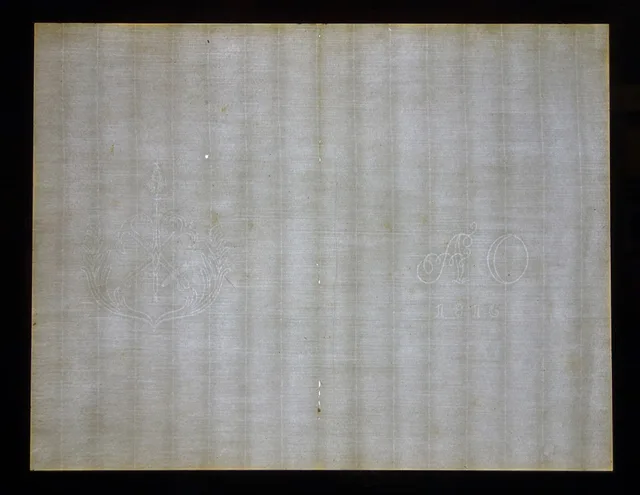
- Watermark or countermark
- Which mold or mill the sheet came from
None of that is about pattern or color. All of it is about control.
Reading a handmade sheet
Feature
- Formation held to light
- Consistency of pull
- Deckle edges
- Formed or cut
- Surface both sides
- Wire side
- Thickness across sheet
- Mold was level
- Drying flatness
- Restraint used
What it tells you
- Formation held to light
- Vat charge
- Deckle edges
- Surface both sides
- Felt side
- Thickness across sheet
- Drying flatness
- Patience
The collections that calibrate your eye
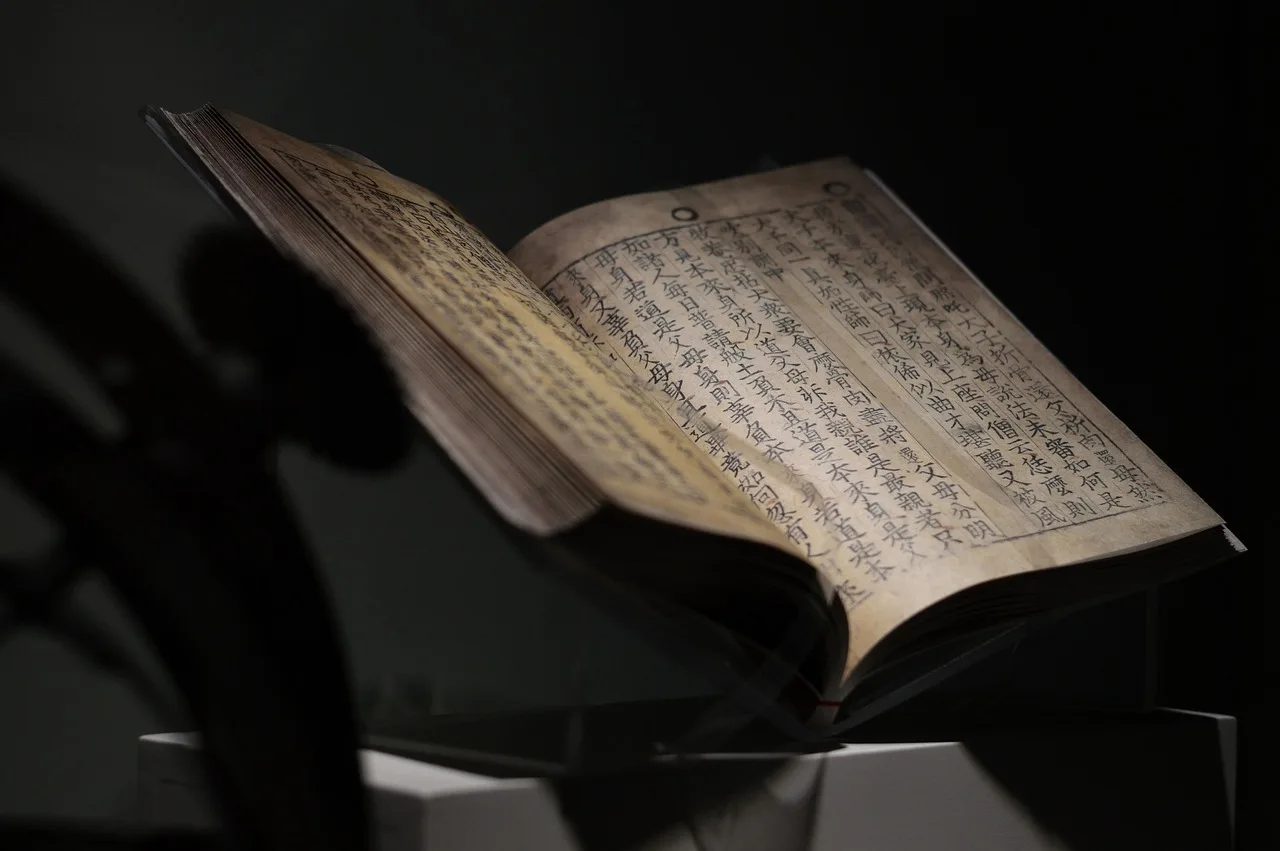
The Robert C. Williams Museum of Papermaking at Georgia Tech holds the fullest published record of the craft, grown from the collection of the paper historian Dard Hunter. Its permanent exhibition runs from Sumerian cuneiform tablets and Egyptian papyrus to Italian watermarked papers and industrial machinery.
Standing in front of five centuries of sheets teaches more about formation in an hour than a year of photographs will, because thickness, translucency and edge quality do not survive a camera.
Teaching sits alongside those collections. The University of Iowa's catalog of Center for the Book courses lists a full program, from an introduction to book arts through typography to papermaking sequences covering East Asian, Himalayan, European and contemporary practice separately. The University of Texas at San Antonio runs community classes open to enrollment.
What a sheet costs you
Price per kept sheet, not per sheet pulled, is the only figure worth tracking. Write it as:
Cost per kept sheet
- cost per kept sheet | fibre + water + energy + hours divided by flat-dried sheets
- 100 sheets | need 100 square feet of drying rack
- full rack | stops production like an empty vat
cost per kept sheet = (fibre + water + energy + your hours) / sheets that dried flat
As of 2026, cotton rag sheets from small studios typically run $6 to $25 in letter size. Oversized or custom sheets usually run $30 to $80, and sample packs cost $15 to $40.
Fiber sells by the pound. Cotton linters typically cost $5 to $12 a pound, and specialty fibers such as abaca run higher. These figures are in US dollars.
Drying space is the variable most people forget. A hundred sheets need a hundred square feet of rack, and a full rack stops production as surely as an empty vat.
Storage differs by stock. Steel and other metal type wants a dry box with a desiccant; organic paper wants air and stable humidity.
Sheets shipped to a buyer need a rigid sandwich of board and a moisture barrier, and that cost belongs in the price.
For import questions and duty classification on fiber or sheets brought in from abroad, ask US Customs and Border Protection or a licensed customs broker. There is no federal value-added tax in the United States; state sales tax is the line most studios deal with.
Grant programs are administered by the National Endowment for the Arts, your state arts agency, or the program officer who runs the fund.
Conservation questions about historic or rare sheets belong with the American Institute for Conservation, a research library, or a qualified conservator.
Starter projects, in order
Work through the sequence in projects that teach one skill before buying a mold, and read how the four crafts relate in book arts in 2027.
- Pull a sheet from recycled cotton rag with a plastic tray, two picture frames and a piece of window screen. The aim is couching and the feel of a vat, with no new equipment.
- Pulp cotton linters and pull a batch of ten sheets. The aim is vat consistency, since fiber charge decides how the sheet forms.
- Press the batch and dry it under restraint between boards. The aim is flatness, which comes from restraint and patience, not luck.
- Size half the batch and leave the rest unsized, then print or write on both. The aim is to learn what sizing does to ink and to glue.
- Sew a pamphlet or a small case binding from the sheets you kept. The aim is the join between your own paper and a finished book.
Common questions
Can I visit these makers?
Several of the studios above take visitors by appointment, and the teaching programs run open studio days. The Morgan Art of Papermaking Conservatory in Cleveland and Dieu Donne in Brooklyn both run workshops and public programs. Check the studio's own page for hours before traveling.
Is there a directory of working papermakers?
Guilds and regional associations maintain listings, and CBBAG publishes a member directory. North American Hand Papermakers, which grew out of the Friends of Dard Hunter, and IAPMA, the International Association of Hand Papermakers and Paper Artists, both connect working papermakers.
How do I judge quality without touching a sheet?
You largely cannot. Buy a sample pack from each supplier once, hold the sheets to a window, and compare formation.
Do I need a mill to make good paper?
No. A single mold, a vat, felts and a press produce sheets a mill cannot, because you control every variable one at a time.
In this guide
- Independent paper makers: four surfaces needed, and only one is a benchFour surfaces, four jobs, and only one is a bench. Heights, materials that survive standing water, and why couching decides how many sheets you keep.
- Fiber preparation stages for independent paper makersFiber preparation stages for independent paper makers: steaming, stripping, cooking, rinsing and beating, with Japanese practice and starting fibers.
- Mold comes fourth on the shopping list for independent paper makers, not firstBuy the mold fourth, not first. The purchase order that works, why even pressure matters more than a press, and why one fiber beats three at once.
- Independent paper makers: count cost per kept sheet, not per pullIndependent paper makers should divide each session's cost by kept sheets, then sort mold, press, felts, fiber and packing into one-time and recurring lines.
- Independent paper makers setup: drying is the constraintAn independent paper makers setup depends on drying capacity. Compare rack, restraint, and stack drying, their equipment needs, and humidity monitoring.