Reviews
Part of Independent paper makers, explained by collections: no watchlist needed here
Mold comes fourth on the shopping list for independent paper makers, not first
Buy the mold fourth, not first. The purchase order that works, why even pressure matters more than a press, and why one fiber beats three at once.
What to take away
- Buy the mold last, not first. Everything else determines what size mold is useful.
- No brands are named, because nothing was bought or compared for this article.
- The press is the item people improvise worst, and pressure is what makes a sheet.
- Buy fiber you can prepare with what you own, then upgrade the preparation.
The order that works
- A vat, which can be any watertight container deeper than your mold.
- Felts, or an interim substitute, because you cannot couch onto nothing.
- A press or a means of applying real, even pressure.
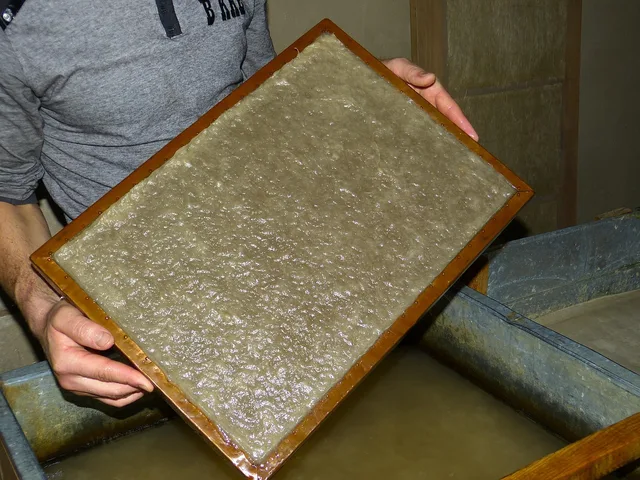
- A mold and deckle, sized to what the rest of the setup can handle.
- Fiber, in one type, in quantity.
The mold comes fourth because a large mold with a small press produces sheets you cannot dry flat, and a beautiful mold is the item beginners buy first and outgrow last.
Buy in this order
- 1. Vatwatertight, deeper than mold
- 2. Feltsor interim substitute
- 3. Pressreal, even pressure
- 4. Mold and decklesized to setup
- 5. Fiberone type, in quantity
Pressure is not optional
A hand-pressed sheet and a properly pressed sheet are different objects. Pressing removes water, brings fibers into contact, and sets the surface. Without it, sheets stay furry, weak and prone to cockling.
Improvised options work if they are even: a car jack under a beam, a bookbinder's nipping press for small sheets, weights on a rigid board for a light post. Uneven pressure is worse than less pressure, because it produces sheets that vary within themselves.
Fiber, in one type, in quantity
Buy one fiber and stay with it until your sheets are consistent. Cotton linter is the standard first choice because it needs no cooking. Changing fiber changes beating time, drainage, shrinkage and drying behavior all at once, which makes diagnosis impossible.
Buy more than you think you need. Running out mid-session ends the practice for the day, and the vat you already charged goes down the drain along with the time spent preparing it.
Why the goal is prevention, not rescue
It is worth being clear about what you are buying equipment for. Park Service guidance on the preservation of museum collections frames the whole approach: the goal is to preserve what exists as nearly as possible in an unchanging state, achieved through ongoing preventive conservation and supplemented by treatment only when necessary.
A papermaker is on the other end of that, making the material rather than saving it, but the logic is the same. Equipment that produces a consistent, well-pressed, properly dried sheet is preventive spending. Anything bought to rescue a bad sheet afterwards is not.
Where to see the range before you commit
Collections of artists' books show what handmade paper is eventually for, which is a good corrective to buying by specification alone. Dartmouth College's guide to selected artists' books lists examples from the Sherman Art Library special collection with call numbers and dates, alongside a section of artists' book resources and vendors.
Looking at finished work first often changes what size and weight of sheet you decide to make. The buying logic for the decorating side is in what to buy first for decorative paper, and where the craft is taught is in where hand papermaking is taught.