Industry
Part of Budgeting bookbinding supplies by category beats chasing a single price list
Five bookbinding supply decisions from library policy
Bookbinding supply costs expert tips: five decisions from two library preservation policies — when to box, when repair pays, where to spend.
What to take away
Two published library preservation policies are read here because their reasoning about cost is written down, argued, and applied to thousands of items. At a home bench that reasoning becomes five decisions about bookbinding supply costs. No binders were interviewed for this article.
- Do not box what does not need it.A book in good condition is already housed — its cover is the enclosure. Boxes and other housings are for the fragile and the historically important, and skipping one saves board and time.
- Repair rather than replace.For material that gets handled, a box separates from the item, so mending the sewing is the cheaper move.
- Know the structure before you economize.Thread and spine linings hold the book together and are cheap, so that is where the money belongs.
- Do not cut linings to afford better cloth.Covering material is visible and expensive, but the lining is what keeps the text block from failing; that trade is the wrong way round.
- Decide before you spend.Libraries write the criteria down before they act on an item. Doing the same at a bench costs nothing.
Why published policy beats remembered advice
Advice from working makers usually arrives as a rule of thumb without the reasoning attached. Library preservation policies are written down, argued, and applied to thousands of items, which makes them a better source when the question is where money should go. Two are used below: the University of Florida's preservation guidance on boxes and other housings, and the University of Illinois brochure on preserving books in your home library. No interviews were conducted for this article.
When an enclosure is worth making
The University of Florida's preservation guidance on boxes and other housings states the decision rule directly.
Box or repair?
Book in good condition?
cover is housing, no box
Historically important cover?
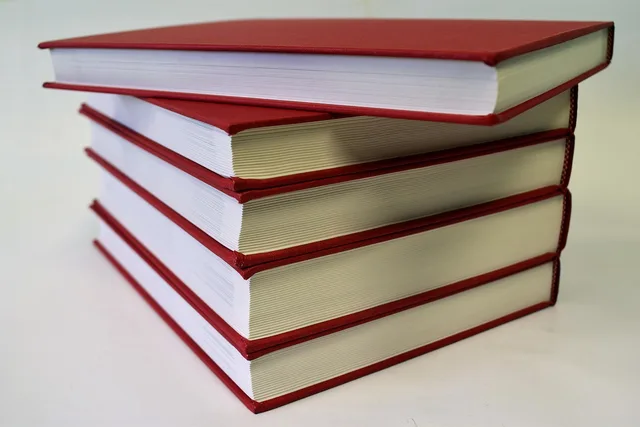
For a book in good condition, the cover may be appropriate housing, so no extra boxing is needed. Use boxes for books with historically important covers, or for books rarely used but too damaged to hold together. For circulating material, boxes often separate from the item, so repair is better.
Applied at a home bench, that is a useful filter. A sound book you made does not need a slipcase, and building one anyway spends board that could have been a second book. A fragile one, or one whose cover is the point of the object, does need protection.
Understand the structure before you economize
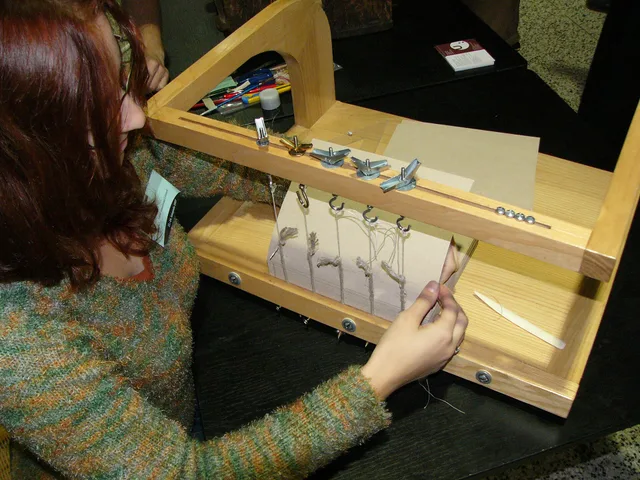
The University of Illinois brochure on preserving books in your home library describes Western book construction. Sheets are folded in half, gathered into sections, and sewn through the centers of the folds. They are joined in various ways, sometimes with knots, sometimes sewn around supports. Cloth and paper linings reinforce the text block.
Western book structure
- Fold sheets in half
- Gather into sections
- Sew through fold centers
- Join sections, knots or supports
- Reinforce text block with linings
That sequence tells you where to spend. Thread and spine linings hold the book together and are cheap. Covering material is visible and expensive. Cutting cost on linings to afford better cloth is the wrong way round. For the same choice in more detail, see how to price supplies for bookbinding projects.
What transfers, and what does not
Transfers home?
- Box only what needs it
- Yes
- Repair circulating items
- Yes
- Standard folder sizes
- Yes
- Environmental monitoring
- Partly
- Full condition reporting
- No
Note
- Box only what needs it
- Saves board and time
- Repair circulating items
- Cheaper than housing
- Standard folder sizes
- Stops sliding and creasing
- Environmental monitoring
- A hygrometer is enough
- Full condition reporting
- Overhead without a collection
The habit worth copying
Libraries decide before they act, using written criteria, and then record the decision. At a bench that means a note on each finished book: structure, materials, adhesive, date. It costs nothing, takes a minute, and turns the next project into a comparison rather than a guess.
The category budget those decisions feed into is worked out in the same guide on pricing supplies for bookbinding projects, and the same reasoning about enclosures applies to raw stock, covered in how to store materials for handmade journal ideas.