Reviews
Part of Budgeting bookbinding supplies by category beats chasing a single price list
Which bookbinding tools earn their price, and which are a budget trap?
Rank bookbinding tools by cost per use, name the specific items worth buying, and see which cheap supplies quietly cost more than they save.
What to take away
- Rank tools by cost per use. A Lineco bone folder used every session pays for itself inside a month; a rotary punch used twice a year never does.
- Bookbinding tools that earn their priceLineco and Talas bone folders, Starrett steel rules, and Olfa knives.
- Cheaper tools that do the same jobShinwa stainless rules, NT Cutter knives, and a Xiem or Kemper awl.
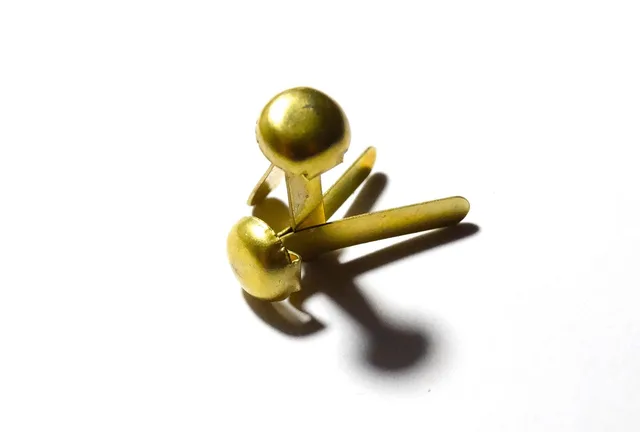
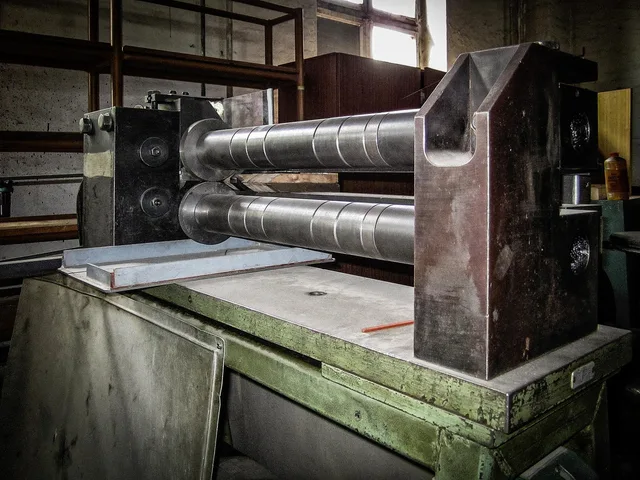
- Budget trapsany prepacked starter kit, a cheap rotary punch, decorative brass rolls, and unbranded dividers with slack hinges.
- Blades are a consumable, not a purchase. Buy Olfa LB or NT Cutter blades fifty at a time and change them earlier than feels reasonable.
- Two instruments matter in the paper storea hygrometer and a thermometer. A dial hygrometer that has never been checked can be badly wrong.
Rank by cost per use
Divide the price by the number of times you pick the tool up in a year. A folder used in every session has a cost per use near zero within a month. A specialist punch used twice a year never gets there.
Cost per use by tool
Spend here
- Bone folder
- Every session
- Steel rule
- Every session
- Knife handle
- Every session
- Awl
- Most sessions
- Dividers
- Occasional
- Screw punch
- Rare
Cheap is fine
- Bone folder
- Lineco, Talas
- Steel rule
- Starrett, Shinwa
- Knife handle
- Olfa, NT Cutter
- Awl
- Xiem, Kemper
- Dividers
- Tight hinges
- Screw punch
- Rotary or plier
Borrow
- Bone folder
- Spend here
- Steel rule
- Spend here
- Knife handle
- Cheap handle
- Awl
- Cheap, regrind
- Dividers
- Cheap is fine
- Screw punch
- Borrow first
Named example and typical price
- Bone folder
- Lineco genuine bone, about $10; Talas, about $15
- Steel rule
- Starrett 6 inch rigid rule, $25 to $50; Shinwa stainless, $10 to $25
- Knife handle
- Olfa L-1, about $12; NT Cutter A-300, about $10
- Awl
- Xiem needle tool, about $10; Kemper awl, about $6
- Dividers
- Starrett or Moore and Wright with tight hinges, $30 to $60
- Screw punch
- Plier type Japanese punch, $40 to $80; rotary punch, $10 to $20
- Prepacked kit
- 20 to 30 piece beginner kit, $30 to $60
Uses per year
- Bone folder
- Every session
- Steel rule
- Every session
- Knife handle
- Every session
- Awl
- Most sessions
- Dividers
- Occasional
- Screw punch
- Rare
- Prepacked kit
- Once, then rarely
Verdict
- Bone folder
- Spend here
- Steel rule
- Spend here
- Knife handle
- Cheap handle, good blades
- Awl
- Cheap, then reground
- Dividers
- Cheap is fine if the hinges hold
- Screw punch
- Borrow before buying
- Prepacked kit
- Budget trap
The pattern holds: durable tools you touch constantly justify the money. The last two rows do not, and a screw punch is worth borrowing from a bindery or a class before you commit.
Blades are a budget line
An Olfa or NT Cutter snap-off knife costs little, typically $8 to $15 for the handle. The blades do not, once you use them properly. A dull blade tears board instead of cutting it, and board costs more than a strip of blades. Dull edges also make you press harder, which is when hands slip.
Buy blades by the pack of fifty. A 50-pack of Olfa LB blades typically runs $25 to $40, and NT Cutter blades sit in the same range. That single habit does more for finish quality than any other purchase on this list.
Two instruments worth owning
A hygrometer in the paper store is the cheapest useful instrument in the room, and a thermometer costs little extra. A dial hygrometer typically costs $15 to $40. One that has never been checked can be badly wrong. The Park Service note on calibration of hygrometers and hygrothermographs explains why these instruments drift.
A hygrometer uses a hygroscopic element that changes dimension as humidity moves, driving a pointer on a dial. A hygrothermograph records humidity and temperature continuously on a rotating chart, and new recording units run into the hundreds of dollars.
Anything working by a material physically changing size will move out of true. Check it against a known reference when you buy it, then yearly.
The cheapest rule on the bench
Park Service guidance on handling archival documents and manuscripts transfers directly to a home bench.
Minimize handling originals and work from copies where you can. Keep food, drink and outdoor coats out of the work area. Use only number two graphite pencils for notes, and keep pens, markers and adhesive labels off the material.
A pencil is the cheapest item here and prevents the most irreversible damage. A dozen number 2 pencils cost a few dollars. Buy a box and keep pens out of the room.
What to skip in year one
Foil stamping equipment, a plough, decorative brass rolls, and any prepacked kit.
A consumer hot foil system such as the Spellbinders Glimmer typically costs $100 to $150 before you buy foil. A new plough with its lying press often runs $200 to $500. Decorative brass rolls sell for $25 to $60 each and do nothing a plain folder cannot.
Kits bundle a decent folder with six tools you will never use, and the price hides that. The staged order that replaces them is in what to buy first, and the cost categories these purchases fall into are in a planning method for supply costs.
Common questions
Is an expensive steel rule really different?
Yes. Weight, a non-slip cork back and a genuinely straight edge are what stop a knife wandering. Starrett rules are machinist-grade and priced accordingly, often $25 to $50 for a six inch rule. Shinwa makes lighter stainless rules that suit paper work, usually $10 to $25. Cheap rules fail on all three counts.
How often should blades be changed?
Whenever the knife stops cutting board in one clean pass. In practice that is far more often than most people manage, and it is why buying fifty at a time makes sense.
Do I need a dust extractor?
No. A HEPA-rated shop vacuum covers what a paper bench generates, and one from Festool or DeWalt typically starts around $300. A household vacuum with a brush attachment handles most paper dust. For solvent, adhesive or dust exposure questions, follow your workplace safety authority or ask a physician.
Where do I check import and tax rules on tools?
Ask the Canada Border Services Agency, the CRA, or a licensed customs broker. Duty and GST/HST treatment depends on classification and your registration status, and neither is something this article can settle.