Guides
Part of Planning a bookbinding project means picking the structure before the idea
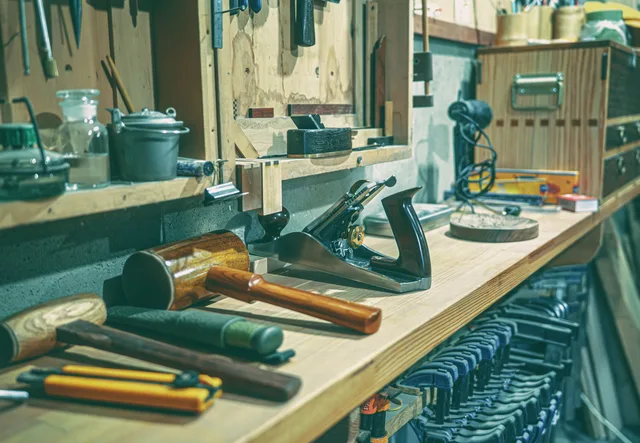
A small bookbinding room still fits four zones: cutting, wet work, pressing and storage
Small-space setup for working with bookbinding projects: four zones in one small room, how to lay out cutting, wet work, pressing and paper storage when the binding.
What to take away
- A binding bench needs depth more than area. Two feet of usable depth beats a long narrow table.
- Separate wet work from dry work by distance, not by tidiness.
- Where you store paper matters more than where you cut it, and basements and attics are the wrong answer.
- Vertical storage is the space problem nobody plans for.
What the work actually demands
Binding needs four zones, and a small room can hold all of them if you stop treating them as furniture.
Four zones, minimum requirements
Zone
- Cutting
- Knife work
- Wet
- Adhesive, paste
- Pressing
- Weight or press
- Storage
- Flat paper, board
What happens
- Cutting
- Firm surface, full width
- Wet
- Washable, away from stock
- Pressing
- Shelf that holds weight
- Storage
- Dark, dry, off floor
Minimum
- Cutting
- Wet
- Pressing
- Storage
| Zone | What happens there | Minimum |
|---|---|---|
| Cutting | Knife work against a straightedge | Firm surface, full sheet width |
| Wet | Adhesive, paste, pasting out | Washable, away from stock |
| Pressing | Weight or press, undisturbed | Shelf that can hold weight |
| Storage | Flat paper and board | Dark, dry, off the floor |
The mistake is combining cutting and wet work on one table, because paste ends up under the straightedge and then on the next sheet.
Borrow the criteria used for research rooms
The Park Service guidance on planning a research space lists what a dedicated space for handling collections should provide. It names security, environmental control adequate to prevent damage, enough room for the equipment people actually use, convenient access to storage and work areas, and the electrical service the work requires.
Research-room criteria at home
- Security for the space
- Environmental control against damage
- Room for equipment actually used
- Access between storage and work areas
- Electrical service the work requires
Strip the institutional language and the criteria still apply at home. A dedicated surface beats a shared dining table, because a shared surface has to be cleared, and clearing is when work gets damaged. Power at the bench matters more than most people expect once a hair dryer, a lamp and a heated tool appear.
Where not to put the paper
The temptation in a small home is to put material storage wherever there is room, usually a basement, a garage or a loft. The argument against is what happens when water arrives. The Park Service list of health and safety hazards arising from floods is a corrective to thinking of a flood as a wet-paper problem.
It names structural instability, electrical systems and gas lines, carbon monoxide, chemicals and contaminants, molds and mildew, asbestos, lead and wildlife. It instructs that nobody enters a flooded area until authorities determine it is safe.
A basement is where every item on that list arrives first. In a flat or a house, keep stock in an interior cupboard on a living floor rather than in the space that happens to be spare.
Making a small room work
- Use a hollow-core door on trestles for the bench. It is flat, light and cheap to replace.
- Mount a shelf above the bench for pressing, so weight is off the working surface.
- Keep board and paper flat in a shallow under-bed box, not upright in a corner.
- Put the wet work on a tray, so the whole operation can be lifted away in one movement.
- Keep a hygrometer in the storage space, not the workroom.
The two purchases that buy space
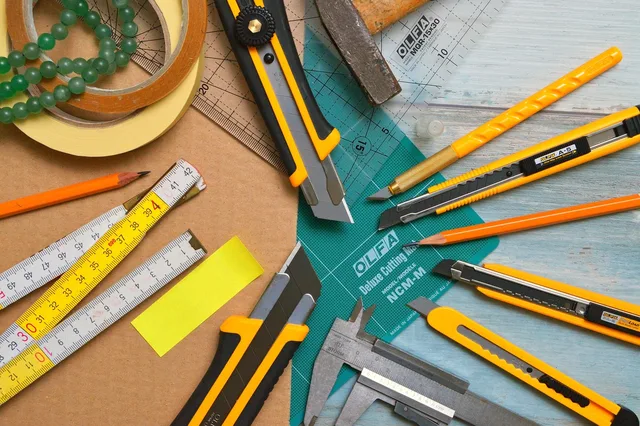
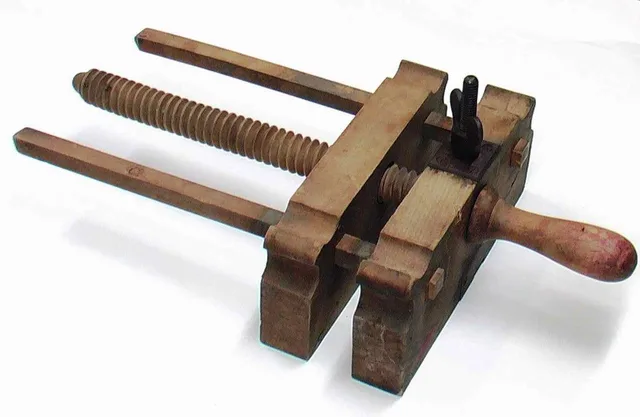
A nipping press replaces a stack of weights and frees a shelf. A board shear does not fit in a small room and never will, so plan to cut with a knife permanently, not as a temporary fix. That decision changes what you buy: a longer, heavier straightedge and more blades.
It fits with the sequence in planning bookbinding projects, and the surface question is covered separately in work surfaces for binding.