Costs
Linen Thread vs Cotton Thread for Bookbinding: Which Should You Buy?
Linen thread vs cotton thread bookbinding comes down to stretch, price and how long the spine must last. Here are US prices, sizes and the case for each.
What to take away
- Waxed linen is the right buy for hand-sewn books that must stay tight for decades. Cotton suits practice sewing, pamphlets and soft-cover work.
- Size decides more than fiber. Use 18/3 for thick sections and heavy text blocks, 25/3 for general work, and 35/3 for small books.
- Cotton costs less per yard at US suppliers, but the gap narrows once you count waste.
- Neither thread rescues a text block with too few sewing stations or a glued spine.
Fiber behavior at the needle
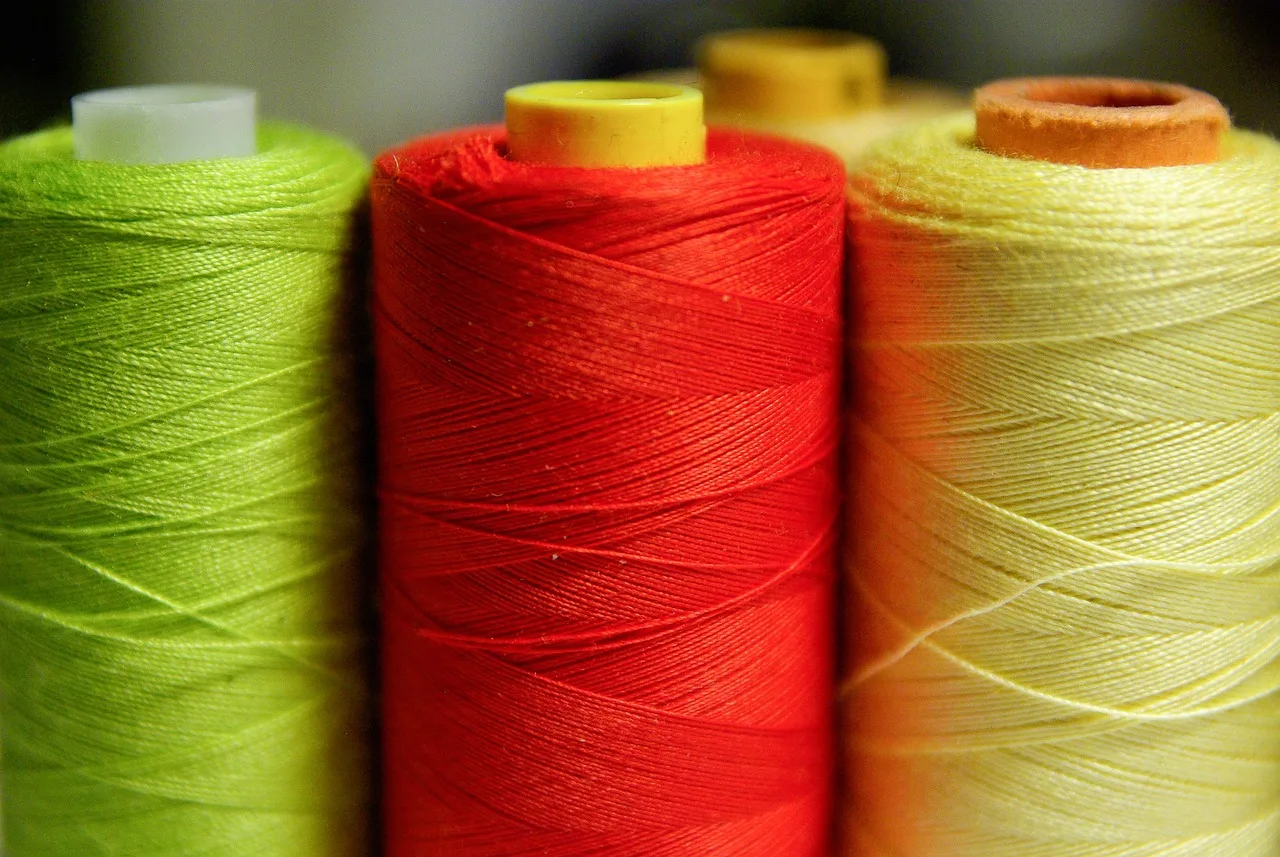
Linen comes from flax and has almost no stretch. Pull a length tight and it stays where you put it. Cotton has more give, and under a thick text block that give keeps working, so sections settle and the spine slowly loses shape.
Thread does two jobs: hold the sections together, and survive the friction of every opening. Linen does both better because its fibers are longer, so it resists abrasion and frays less. Cotton is softer and fuzzier.
Waxed linen thread is widely available at US art chains now, sitting near the sketchbooks and the embroidery floss.
How a thread ages inside a finished binding is a materials question before it is a price question, and the Canadian Conservation Institute notes cover binding materials on that basis.
The criteria that decide the purchase
Waxed linen, 18/3 to 25/3
- Stretch under load
- Minimal
- Abrasion resistance
- High
- Fraying at the needle eye
- Low
- Price per yard, US retail
- $0.10 to $0.20
- Behavior when damp
- Stable
- Where it fits
- Long-life bindings
Cotton, similar diameter
- Stretch under load
- Noticeable, cumulative
- Abrasion resistance
- Moderate
- Fraying at the needle eye
- Higher
- Price per yard, US retail
- $0.03 to $0.08
- Behavior when damp
- Swells, then shrinks
- Where it fits
- Practice and short-lived books
The dollar figures are illustrative ranges from spool listings at US mail order suppliers. A 100 yard spool of 25/3 waxed linen usually lands between $12 and $20; cotton of similar diameter often costs a third of that.
Linen vs cotton thread
Waxed linen 18/3-25/3
- Stretch under load
- Minimal
- Abrasion resistance
- High
- Fraying at needle eye
- Low
- Price per yard, US
- $0.10-$0.20
- Behavior when damp
- Stable
- Where it fits
- Long-life bindings
Cotton, similar diameter
- Stretch under load
- Noticeable, cumulative
- Abrasion resistance
- Moderate
- Fraying at needle eye
- Higher
- Price per yard, US
- $0.03-$0.08
- Behavior when damp
- Swells, then shrinks
- Where it fits
- Practice, short-lived books
Thread is a choice you cannot undo cheaply, which is why choosing recoverable materials is a better frame than chasing the lowest price per yard.
Linen thread and the price it carries
In 18/3, the first number is the size and the second is the ply count. Lower numbers mean thicker thread, so 18/3 is heavier than 25/3. Linen is the right choice for multi-section text blocks, heavy paper and books meant to be opened thousands of times.
Linen costs more because of the fiber. Flax must be grown, retted, spun and waxed, and the long staple fiber that makes good thread competes with linen used in clothing. Wax, whether beeswax or paraffin, keeps the thread from snagging on paper.
A thread only matters inside a structure. The sewing and assembling overview describes what the thread does between sections and why the supports carry the load.
Needles and awls matter as much as the spool, and the bookbinding beginner kit covers what belongs on the bench first.
Cotton thread and where it fits
Cotton is not the wrong answer, only a narrower one. It is right for practice runs where you learn tension, for pamphlets and single-section books, and for decorative exposed sewing where the thread is a color element rather than a load-bearing part.
Cotton also suits books opened rarely and stored flat. A soft-cover notebook on a shelf puts little stress on the sewing.
Cotton is usually sold by weight or a simple number rather than the linen size convention. A spool that looks equivalent may sew differently, so test a length first.
Example: costing one journal
Costing one journal
- Measure one section and multiply its height by the section count for a base thread length.
- Multiply that by 2.5 to allow for the loops and the passes down the spine.
- Add 30 percent for waste, including the tail you cut at the end.
- Divide the spool price by the number of books that length allows.
- Compare that figure rather than the sticker when you pick between linen and cotton.
A spool price tells you very little. Cost per finished book is the number worth comparing.
The problems neither thread fixes
Both fibers fail in the same places. A text block with too few sewing stations will loosen no matter what holds it, and a glued spine has already lost the argument. Loose sections after a year usually trace back to tension.
When a finished book misbehaves, thread is rarely the first suspect. The sharper move is to work out what the bookbinding symptom appears to be telling you.
Free guidance on how binding components age comes from the NPS Conserve O Gram series, which covers the materials in a binding and how each fails.