Features
4 points on handmade journal ideas that matter
Eleven journal formats from an evening to a weekend, plus how folding decides the format and why paste paper is the easiest cover to make yourself.
What to take away
- A journal is defined by how it opens, not by how the cover looks.
- Eleven formats below, ordered from an evening's work to a weekend's.
- Paste paper is the easiest route to a cover you made yourself.
- Choose the writing paper first; it decides the section count and the spine.
Eleven journals worth making
- Single-section pamphlet, three-hole sewn, soft cover. One evening.
- Long-stitch journal sewn straight through a soft cover, spine visible.
- Four-hole stab binding, opening flat only partway, good for thin sheets.
- Coptic-sewn journal with exposed spine and boards that fold right back.
- Multi-section sewn on tapes, cased in cloth.
- Concertina spine with sections tipped into the valleys.
- Meander book, one sheet cut and folded into a small structure with no sewing.
- Flag book for short entries and cuttings.
- Slotted card cover holding a replaceable pamphlet, so the cover outlives the block.
- Half-cloth notebook with paste paper boards.
- Pocket journal in folio format, one folded sheet per section, made from offcuts.
Numbers one, seven and eleven need nothing but paper, a folder and a knife. Numbers five and ten need boards, cloth and a press or a stack of weights.
Journal formats and what they need
Format
- Single-section pamphlet
- One evening
- Long-stitch journal
- One evening
- Four-hole stab binding
- One evening
- Coptic-sewn journal
- A weekend
- Multi-section sewn on tapes
- A weekend
- Meander book
- One evening
- Half-cloth notebook
- A weekend
Time
- Single-section pamphlet
- Paper, folder, knife
- Long-stitch journal
- Soft cover, thread
- Four-hole stab binding
- Thin sheets, thread
- Coptic-sewn journal
- Boards, thread
- Multi-section sewn on tapes
- Boards, cloth, press
- Meander book
- One sheet, folder, knife
- Half-cloth notebook
- Paste paper boards, cloth
Materials
- Single-section pamphlet
- Long-stitch journal
- Four-hole stab binding
- Coptic-sewn journal
- Multi-section sewn on tapes
- Meander book
- Half-cloth notebook
Format is a folding decision
Book format names come from how many times a sheet is folded, and that matters because it decides what your journal can be.
Folds decide page count and size
Folds
- One fold
- Two pages
- Two folds
- Four pages
- Three folds
- Eight pages
- Four folds
- Sixteen pages
Pages per side
- One fold
- Large, thin
- Two folds
- Medium
- Three folds
- Small
- Four folds
- Small, thick
Book size
- One fold
- Two folds
- Three folds
- Four folds
Drew University Library's exhibit on papermaking in Shakespeare's time explains: each sheet could carry two, four, eight, or sixteen pages a side depending on the fold. The First Folio is large because its sheets are folded once.
For a journal that means the same stack of paper gives you a large thin book or a small thick one, and you choose which by folding, not by buying.
Covers: start with paste paper
Paste paper is older and far more forgiving than marbling. The University of Washington Libraries essay on paste papers says they are among the earliest paper decoration methods.
They were used from the late sixteenth through the eighteenth century for book covers and endsheets. Ingredients are as simple as flour, water and paint, though modern makers substitute corn starch or add glycerin for consistency.
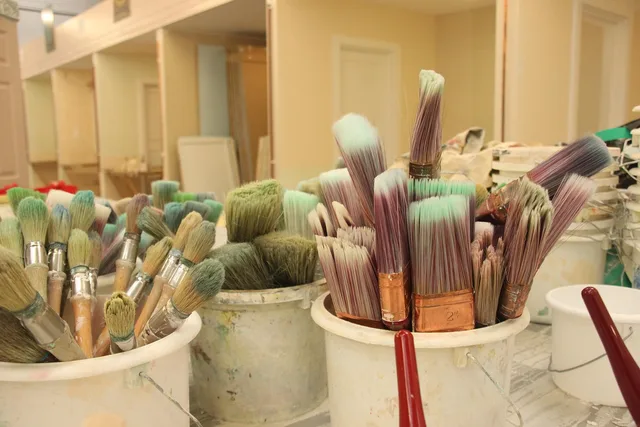
You brush the colored paste onto damp paper and then take it away again with a comb, a card edge, a finger, or a crumpled rag. There is no bath to prepare and no failed sheet that cannot be re-coated.
Choose the writing paper before anything else
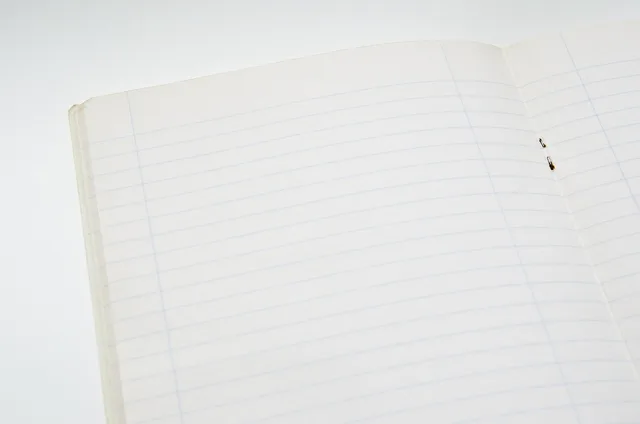
Weight, surface and grain decide whether a journal is usable. A heavily sized, hard-surfaced sheet resists fountain pen ink and shows every indentation from the page above. An unsized sheet drinks it. Around 90 to 110 gsm with a light surface suits most pens, and the grain must run parallel to the spine or the pages will not lie down.
Work out sheets per section, then sections per book, then the spine thickness after sewing. The weekend practice plan walks through that on scrap, and the tool comparison covers what you need to punch and sew.
Common questions
Which of the eleven is best for a first attempt?
How many pages should a journal have?
Can I use a ready-made cover?
Do exposed-spine journals last?
In this guide
- Handmade journal classes run best through university programs, not directoriesHandmade journal ideas classes and studios worth finding: university book arts programs run public workshops and hold the equipment you cannot own.
- Why do handmade journals photograph best open, moving and lit from a window?How to photograph and: shoot the book open and moving, light it from a window, expose using the histogram, and keep resolution and print size straight in your head.
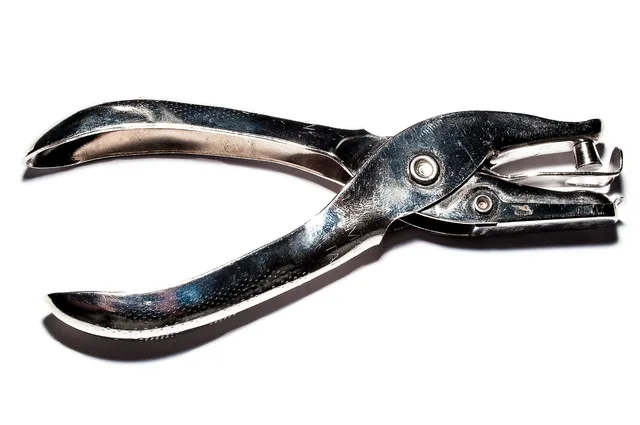
- Awl versus screw punch: comparing tools for a handmade journalHandmade journal ideas tools compared for first-time buyers: awl against screw punch, bone against Teflon, and what thickness of polyester pocket to use.
- Folding compared with sewing: a weekend plan for handmade journalsHandmade journal ideas learning plan: four sessions over two days, fold twenty sheets, sew five identical pamphlets, cover them without metal fasteners.
- Storing handmade journal materials: avoid crowding, avoid contact damageCrowding and contact cause most damage to stored paper. Enclosures, interleaving, and where in the house to keep stock for handmade journals.